Thinking about adding an ADU to your Soquel property? Whether you want space for a parent, room for a returning grad, or rental income to offset your mortgage, it helps to know what is actually feasible in unincorporated Santa Cruz County. You want a clear path, realistic costs, and the right contacts so you can move forward with confidence. In this guide, you’ll learn the ADU basics, how California law streamlines approvals, local Soquel factors like septic and Coastal Zone, ballpark costs and timelines, and practical next steps.
Let’s dive in.
What counts as an ADU in Soquel
An accessory dwelling unit is a smaller, independent home on the same lot as your main residence. In Soquel, ADUs are allowed in many areas, subject to county zoning and building codes that work within state ADU law.
Common ADU types
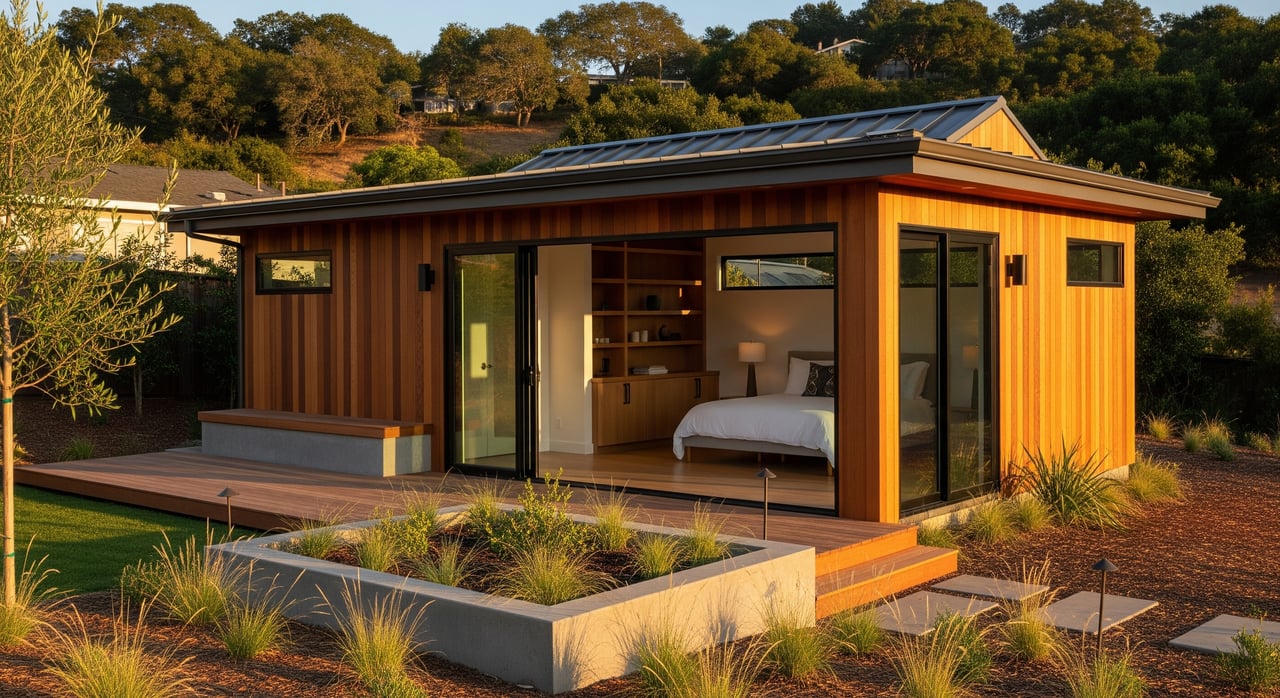
- Detached ADU: A small home separate from the main house, often 400 to 1,200 square feet.
- Attached ADU: Connected to the main house and designed as a private living space.
- Garage or interior conversion: Repurposes existing space into a legal unit.
- Junior ADU (JADU): A compact unit created within the main home, often with a kitchenette.
Typical uses
- Long-term rental for steady income.
- Multi-generational living for relatives or caregivers.
- Flexible guest space or home office.
Note: Local rules govern rentals, business licenses, and short-term rental restrictions. Always confirm county rules before planning your use.
How California ADU law helps you
Recent state reforms encourage ADU production by setting clear, objective standards and faster, ministerial reviews when you meet those standards. In practice, this means you can expect non discretionary approvals when you submit a complete, compliant application.
Key state-level benefits include:
- Streamlined permitting within set timelines when plans meet objective standards.
- Limited parking requirements in many cases.
- Relaxed owner-occupancy rules on standard ADUs.
- Modified or reduced fees for certain smaller ADUs in some jurisdictions.
To understand the statewide framework, review the California Department of Housing and Community Development’s overview of ADU policy and process in the state’s official ADU guidance.
Local rules that matter in Soquel
Soquel is an unincorporated area of Santa Cruz County. That means your project moves through the county planning and building departments, plus any applicable utility or environmental agencies.
Septic vs. sewer service
A large share of Soquel properties use septic systems. The county’s Environmental Health division reviews septic capacity and may require testing, upgrades, or replacement before approving an ADU. Where public sewer is available, you will coordinate connection permits and fees with the county and relevant districts. Septic feasibility can be the make-or-break factor, so confirm early with Environmental Health.
Coastal Zone considerations
Parts of Soquel fall within the Coastal Zone. If your parcel is in this area, your project may need to meet the Local Coastal Program and sometimes require Coastal Commission review. Coastal checks can affect design and timelines, so map this early in your planning.
Wildfire safety and access
Santa Cruz County includes areas mapped as high or very high fire hazard severity zones. ADU plans in these areas may require ignition-resistant construction, ember protection, defensible space, and clear fire access for safety.
Topography, trees, and environmental overlays
Steep slopes, geologic hazards, drainage, and protected trees can influence placement, require studies, or add engineering costs. A site walk with an ADU designer or contractor can help spot constraints before you invest in plans.
Zoning and objective standards
Santa Cruz County applies objective standards for setbacks, building height, lot coverage, and maximum ADU size. These standards vary by parcel and zoning district, so verify what applies to your address with county planning.
Feasibility checklist for your property
Use this quick checklist before you commit to design work:
- Zoning and lot status
- What is your zoning and are ADUs allowed by right?
- Do setbacks, lot coverage, or easements limit placement?
- Utilities and wastewater
- Are you on septic or sewer, and can your system handle another unit?
- Do you have municipal water capacity and any connection fees?
- Will electrical or gas service need upgrades?
- Physical site conditions
- Slope, drainage, tree locations, construction access, and any flood or environmental overlays.
- Fire safety and access
- Fire department access, defensible space, and construction standards in your zone.
- Permits and fees
- Plan check, building permit, school, utility, and possible impact or connection fees. Ask about any fee reductions for smaller ADUs.
- HOA or CC&Rs
- If applicable, what are the rules and approval steps?
- Financing and economics
- Rough construction budget, potential rental income, and property tax impacts.
- Rental rules
- Short-term rental limitations and any required business licenses or taxes.
Costs and timelines to expect
Every site is different, but these ballpark ranges are typical for coastal California markets.
Ballpark costs
- Interior conversion: 30,000 to 150,000 dollars
- Attached ADU or large conversion: 80,000 to 300,000 dollars
- New detached ADU, 400 to 900 sq ft: 120,000 to 400,000 dollars or more
- Soft costs: Design and architect fees are often 5 to 15 percent of construction, plus permit and plan check fees, utility or connection fees, and any required studies.
- Utilities and septic: Septic replacement or sewer connection can add modest costs or tens of thousands depending on scope.
- Insurance and taxes: Insurance may change with a rental unit, and new construction usually increases assessed value. For parcel-specific tax questions, consult the County Assessor.
Typical timelines
- Feasibility and pre-application research: 2 to 6 weeks
- Design and permit prep: 4 to 12 weeks or more based on complexity
- Plan review and approval for ministerial ADUs with complete submittals: typically 2 to 6 months
- Construction: 2 to 9 months, from quick conversions to more complex detached builds
- Total time: About 3 months for a very simple conversion up to 12 to 18 months for complex detached projects with septic or geotechnical work
Permits and documents you will likely need
- Pre-application conversation with Santa Cruz County Planning
- Building permit application with site plan, floor plans, elevations, roof plan, exterior materials, and MEP details
- Property survey or plot plan with property lines, existing structures, setbacks, and easements
- Structural calculations for new builds or structural changes
- Title 24 energy compliance and CALGreen documentation
- Septic evaluation or sewer connection permits
- Geotechnical report if required by county standards
- Tree protection or removal permit, if applicable
- Fire authority approvals for access, defensible space, and sprinklers if required
- Utility connection applications and proof of capacity for water, sewer or septic, and electricity
- Coastal permit or consistency review if your parcel is in the Coastal Zone
Smart steps to get started in Soquel
- Gather parcel basics: APN, deed, any survey or plot plan, and recent utility bills.
- Request a pre-application check with county planning to confirm zoning standards and submittal needs.
- Verify wastewater: contact Environmental Health to evaluate septic capacity or sewer availability.
- Confirm water service and any connection or capacity fees with your local water district.
- If the site looks feasible, get a ballpark estimate from an ADU designer or contractor after a site visit. Budget for soft costs and potential utility upgrades.
- Compare financing options and estimate operating costs and potential rent if you plan to lease the unit.
- Prepare a complete application to help speed ministerial review.
Common pitfalls to avoid
- Skipping the septic check and finding out later the system cannot handle another bedroom or unit
- Assuming every lot can fit a detached ADU without confirming setbacks, easements, or slope
- Underestimating soft costs like design, reports, and connection fees
- Overlooking whether you are in the Coastal Zone or an environmental overlay that adds time
- Ignoring fire access and defensible space standards that affect design and budget
- Forgetting to review HOA or CC&R rules and short-term rental limits
Renting your ADU in Soquel
State ADU laws support rental use, but county rules still apply. Long-term rentals are common. Short-term rentals may be limited by local ordinance, and you may need a business license or transient occupancy tax account. Confirm the latest county rules and plan your budget with those in mind.
How a local agent helps you think ahead
If you are buying a Soquel home with an ADU in mind, you want to know early whether the parcel, utilities, and zoning make sense. If you are selling, documenting ADU potential can help buyers see future value. As a neighborhood-focused agent, I can help you frame the ADU conversation during a purchase or sale, and connect you with designers, contractors, and local officials so you are talking to the right people at the right time.
When you are ready to explore ADU-friendly properties or market your home’s ADU potential, reach out to Genie and the team for local, high-trust guidance.
Ready to take the next step or talk through your property’s potential? Connect with Genie Lawless for neighborhood-level guidance and a clear plan.
FAQs
What is an ADU and how is it used?
- An ADU is a secondary home on the same lot as your main residence, typically used for long-term rental income, multi-generational living, or guest space.
Can I build an ADU in Soquel if I’m on a septic system?
- Possibly, but Environmental Health must confirm capacity; you may need upgrades or a new system if the existing septic cannot support an additional unit.
Do Coastal Zone rules affect ADUs in Soquel?
- Yes, ADUs in the Coastal Zone must be consistent with the Local Coastal Program and may require additional review, which can affect timeline and design.
How long do ADU permits usually take in Santa Cruz County?
- For ministerial ADUs with complete submittals, plan review and approval often take about 2 to 6 months; complex or Coastal Zone projects can take longer.
How much does it cost to build an ADU locally?
- Conversions often range from 30,000 to 150,000 dollars, attached ADUs from 80,000 to 300,000 dollars, and detached ADUs from 120,000 to 400,000 dollars or more, depending on site and finishes.
Will an ADU raise my property taxes?
- New construction typically increases assessed value; contact the County Assessor for a parcel-specific estimate before you finalize plans.