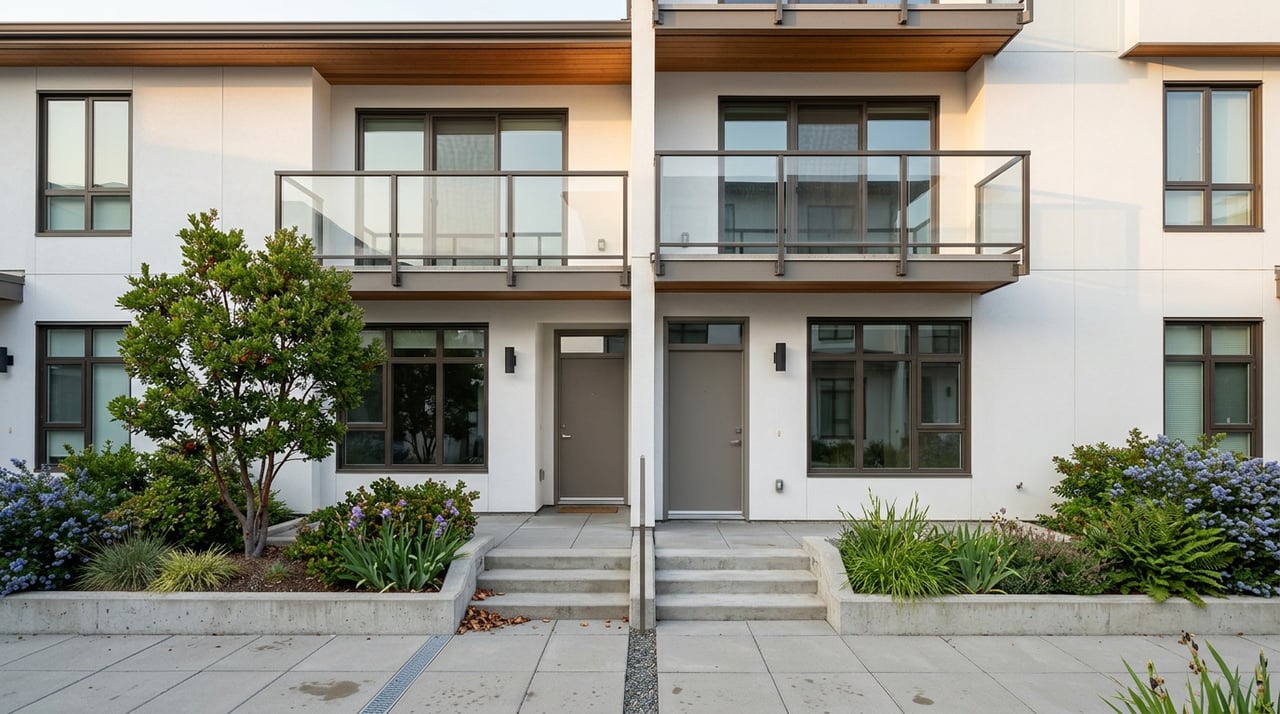
Still deciding between a condo or a townhome in Santa Cruz? You are not alone. With coastal charm, tight inventory, and a wide range of HOA setups, the right fit depends on what you want to own, maintain, and finance. In this guide, you will learn the practical differences that matter for your monthly budget and long‑term peace of mind, plus a simple checklist you can bring to your next showing. Let’s dive in.
Santa Cruz market snapshot
Condos and townhomes in Santa Cruz often price below single‑family homes, which can make them attractive to first‑time buyers and downsizers. What you actually pay month to month depends on HOA dues, insurance, property taxes, and any special assessments. Focus on total carrying cost, not just list price.
Inventory can be tight near the beach and downtown, and walkable locations often carry premiums. If you are comparing options, look at project‑level comps and HOA budgets for each complex rather than citywide averages. That is how you avoid surprises and choose based on real numbers.
Common clusters include Seabright and Beach Flats near the sand, Downtown and the Westside close to amenities, and pockets of Live Oak along the Brommer corridor. Each area can come with different parking rules, HOA scopes, and hazard profiles. Ask for the full HOA package before you get too far into escrow so you can see the real picture.
What you actually own
Condominiums: unit plus shared interest
In California, most condos are part of a common interest development. You own your interior unit and a shared interest in common areas, and the HOA operates under the Davis‑Stirling Act. The legal framework for these communities is set out in the state’s civil code, which helps define budgets, disclosures, and governance. You can review the statute that governs common interest developments in the Davis‑Stirling Act overview in the California Civil Code Sections 4000–6150 for context.
In practice, the HOA often maintains the roof, exterior, landscaping, and shared systems, while you insure and maintain the interior based on what the master insurance policy covers. Always confirm whether the project is recorded as a condominium or another form. The label on the listing is not always the legal reality.
Townhomes: sometimes a condo, sometimes fee‑simple
A townhome can be structured two different ways in Santa Cruz:
- A townhome recorded as a condominium. This behaves like the condo setup above and follows Davis‑Stirling rules. Your monthly costs hinge on the project’s budget, reserves, and master insurance.
- A fee‑simple attached townhome. Here you own the land and structure, and the HOA (if any) may handle limited common elements. Lenders often treat these more like single‑family homes for underwriting, which can streamline financing.
Because this difference affects maintenance, insurance, and lending, ask your agent for the recorded legal description to confirm how the property is held.
HOA responsibilities and insurance
What HOAs must disclose
California requires associations to provide an annual budget report and an Assessment and Reserve Funding Disclosure that shows projected needs and whether reserves are on track. You have the right to review these documents before you remove contingencies. See the state’s reserve disclosure rules in Civil Code Section 5570 for what should be included.
Associations must also provide a summary of their insurance policies. That summary helps, but it is not a substitute for the full declarations pages. You want to know the perils covered, the limits, and the deductibles because those drive your personal HO‑6 needs and any exposure to loss assessments. California Civil Code Section 5300 describes the required HOA budget and insurance summary content.
Master policy vs. your HO‑6
Master policies vary. Some are bare walls or walls out, where the HOA covers the exterior and common elements, and you insure interior finishes and improvements. Others are studs in or all in, which may insure some interior improvements. Your HO‑6 policy should match the master policy’s scope and include loss assessment coverage when appropriate. For a plain‑English primer on condo owner coverage, review this condo insurance guide that breaks down what HO‑6 typically covers.
In California, earthquake coverage is usually a separate policy, so budget for it if you want that protection.
Red flags to watch
- Reserves that are low for the building’s age or any history of large special assessments in the last few years.
- Master policies with low limits or high deductibles that shift risk to owners.
- Litigation or insurance nonrenewals that could affect financing or dues.
Financing differences that matter
Condos often go through a project review with your lender. Conventional lenders may use tools like Fannie Mae’s Condo Project Manager to confirm eligibility. If you plan to use FHA financing, check early whether the project is approved or if a single‑unit approval is possible. You can learn more from HUD’s guidance for FHA condominium approvals.
Fee‑simple townhomes may avoid some condo project reviews, which can open up more lending options. Still, do not assume. Ask your lender to run the project scenario upfront, especially if the building is small or has mixed commercial space.
Coastal location and hazards to factor in
Flood and river influence areas
Parts of Santa Cruz near the San Lorenzo River and downtown sit in mapped flood zones. The city has ongoing flood‑risk reduction and levee projects, and some map revisions are in process. Always check the parcel’s flood status, and ask the seller and HOA for any recent letters of map revision or permits. You can review a city project floodplain analysis to understand how this affects insurance and future work.
Earthquakes and ground conditions
Santa Cruz has earthquake shaking risk and pockets of liquefaction or landslide susceptibility. If the building is older or on young deposits, review the property’s Natural Hazard Disclosure and city geology resources. The City of Santa Cruz’s geology and soils report provides helpful background on local conditions.
Tsunami and coastal erosion
Low‑lying coastal areas are within state tsunami hazard mapping. This does not mean your home will flood, but it adds important context for evacuation planning, insurance, and future permitting. You can read about California’s statewide tsunami mapping effort from the California Geological Survey.
Parking and short‑term rental rules
Beach‑adjacent areas can have limited parking, and some HOAs enforce strict guest and permit rules. If you plan to host longer stays or consider short‑term rentals, verify both HOA rules and current city policies before you buy. Rules can change and often vary by neighborhood overlay.
Budgeting: dues, taxes, and other recurring costs
HOA dues can range widely in Santa Cruz based on building age, amenities, coastal exposure, and what the master policy covers. Some complexes sit in the low hundreds per month while amenity‑rich or beachfront buildings can exceed one thousand per month. Read the project budget to see exactly what is included, and compare that to your personal insurance and utilities.
Property taxes in California are governed by Proposition 13. The base rate is about 1 percent of assessed value, with voter‑approved bonds and local assessments added on. Effective rates vary by parcel, so review the tax rate area and any parcel taxes for the specific address. The Legislative Analyst’s Office explains how Proposition 13 works.
Plan for an HO‑6 condo policy, optional earthquake coverage, and flood insurance if the property is in a Special Flood Hazard Area. Loss assessment coverage on your HO‑6 can help if the HOA levies a deductible or certain covered assessments. For a straightforward overview of what HO‑6 policies typically include, see this consumer‑friendly condo insurance guide.
A simple decision checklist
Use this quick list to compare a condo and a townhome you are touring:
- Ownership type. Confirm whether the property is recorded as a condominium, a PUD, or fee‑simple. Ask your agent to show the legal description.
- Monthly cost. Add principal and interest, HOA dues, taxes, insurance, and a maintenance cushion for salt‑air wear.
- Financing path. If you need FHA or a low‑down conventional loan, ask your lender to check condo project eligibility or single‑unit approval early using tools like Fannie Mae’s condo review process.
- Hazard exposure. Check FEMA flood status, tsunami mapping, and local geology context. Start with the city’s floodplain analysis and geology report resources.
- HOA health. Review the annual budget and the Assessment and Reserve Funding Disclosure. California Civil Code Section 5570 explains what you should see.
- Insurance coverage. Read the HOA insurance summary and full declarations to confirm covered perils, limits, and deductibles. Civil Code Section 5300 outlines the required summary.
- Rules and lifestyle. Look for rental caps, pet policies, parking rules, and any project‑specific quirks that affect daily life.
Key documents to request before removing contingencies
- Annual budget report and the Assessment and Reserve Funding Disclosure. You can reference California Civil Code Section 5570 for what these include.
- The latest reserve study and current reserve balance.
- Master insurance declarations pages and any earthquake or flood policy summaries. Civil Code Section 5300 describes the insurance summary requirement.
- HOA meeting minutes from the last 12 months, including any notes on planned projects, litigation, or insurance changes.
- Owner‑occupancy and delinquency data, plus HOA rules regarding rentals and parking.
- Natural Hazard Disclosure, Transfer Disclosure Statement, and any recent roof, structural, or engineering reports.
How a local guide helps
Choosing between a condo and a townhome in Santa Cruz is about more than layout. It is understanding what you own, what you owe, and how the building’s finances and location affect your future. A local, high‑touch agent can help you gather HOA packages fast, spot red flags in reserve studies, confirm project eligibility with your lender, and explain hazard maps in plain language.
If you want a clear plan for comparing properties, reading HOA budgets, and setting a confident monthly number, reach out to Genie Lawless. You will get responsive guidance, local insight, and a step‑by‑step path from first tour to keys in hand.
FAQs
What is the main difference between a condo and a townhome in California?
- A condo typically gives you ownership of the interior unit plus a shared interest in common areas under the Davis‑Stirling Act, while many townhomes are fee‑simple so you own the land and structure.
How do HOA dues work in Santa Cruz condo and townhome communities?
- Dues vary by project and can range from the low hundreds to over one thousand dollars per month based on age, amenities, coastal exposure, and what the master policy covers.
Why is condo financing sometimes harder than townhome financing?
- Many condos require a lender project review for eligibility, while some fee‑simple townhomes are underwritten like houses and may avoid those extra project standards.
What insurance do I need if I buy a condo in Santa Cruz?
- You will usually need an HO‑6 policy tailored to the HOA master policy plus optional earthquake coverage, and flood insurance if the unit is in a FEMA Special Flood Hazard Area.
How do coastal hazards affect my decision between a condo and a townhome?
- Properties near the river or shoreline may face flood, tsunami, or erosion risks that can influence insurance, financing, and future resale, so review local maps and HOA docs before committing.
What HOA documents should I review before removing contingencies?
- Ask for the annual budget, reserve disclosure and study, insurance declarations, rules, recent minutes, and data on owner‑occupancy and delinquencies to gauge financial health and risk.