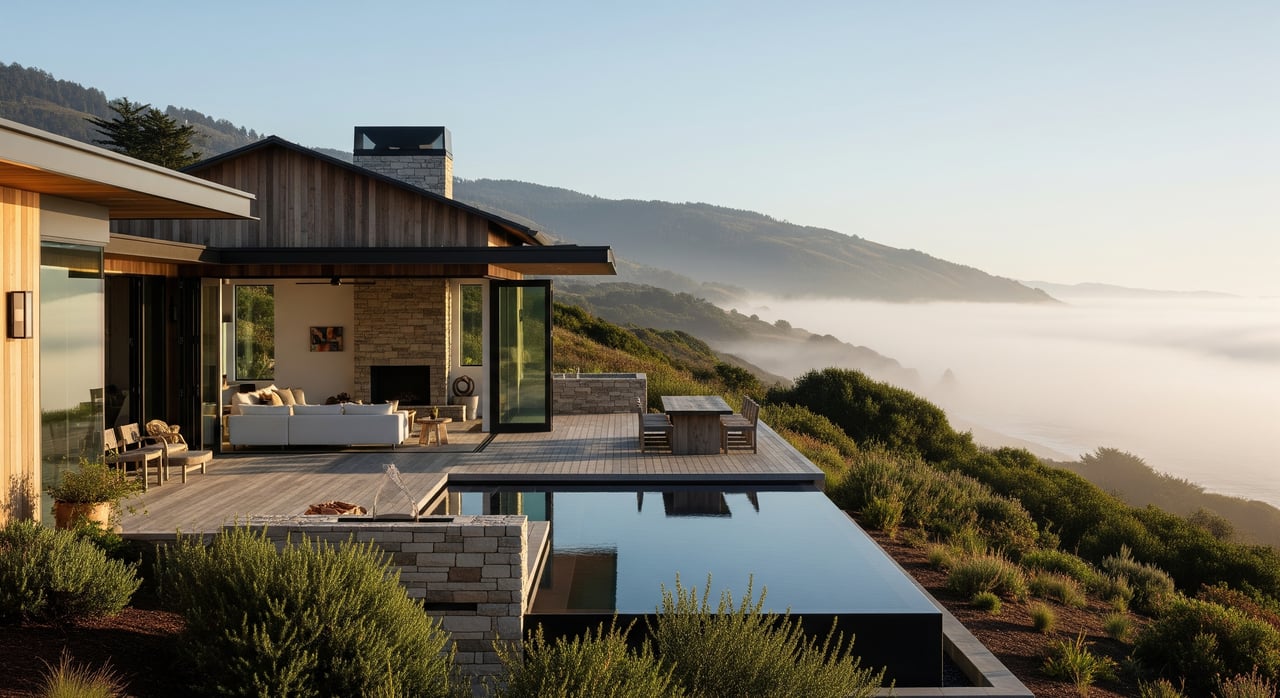
One hillside warms in full sun while a nearby hollow stays cool and misty. That is a normal day in Bonny Doon, where the coast meets the mountains and small shifts in slope or tree cover change the feel of your home. If you are exploring this area, understanding microclimates can help you plan your routines, your garden, and your home improvements. This guide breaks down what creates Bonny Doon’s microclimates and how to live comfortably with them. Let’s dive in.
What creates Bonny Doon microclimates
Bonny Doon sits at the meeting point of Monterey Bay’s marine influence and the varied terrain of the Santa Cruz Mountains. That mix creates noticeable differences in temperature, moisture, wind, and sun over short distances.
Key drivers to know:
- Marine layer and fog. Cool, moist air from the bay often moves inland, especially in the mornings and evenings during warmer months. Fog and low clouds tend to touch ridges and windward slopes first, then lift as the day warms.
- Elevation and slope. Air cools as it rises over terrain, so windward slopes and ridgelines can run cooler and more humid than sheltered valleys nearby.
- Slope aspect. South and southwest slopes get more direct sun and usually feel warmer and drier. North and east slopes retain more shade and moisture.
- Canyons and cold-air pooling. Narrow valleys and saddles can trap cool night air. These spots may see cooler nights and occasional light frost on clear, calm nights.
- Vegetation. Dense tree cover, like redwoods in protected gullies, moderates temperature and humidity. Open chaparral or grassland heats up faster by day and cools faster at night.
- Soils. Parts of Bonny Doon include unique, sandy Zayante soils. These well-draining soils change how water and nutrients behave, which affects plant choices and irrigation.
Rule of thumb: Across a small area, you can see temperature differences of 5 to 15 degrees Fahrenheit in summer between fog-exposed or shaded sites and sunny, exposed spots. That variation shifts with season and weather patterns.
How microclimates shape daily life
Microclimates touch your day from the moment you step outside. A little planning helps you stay comfortable and reduce energy use.
Clothing and routines
- Expect cool, damp mornings in fog-prone or windward locations, then warmer afternoons when the fog lifts. Layers are your friend.
- Plan outdoor chores or exercise for mid to late afternoon if you prefer more sun. Early risers may want windbreakers handy near ridgelines.
- Keep a small “front door basket” with light jackets, hats, and sunglasses for quick transitions.
Heating, cooling, and energy use
- Shady or foggy homes often need less air conditioning, but you may notice higher indoor humidity. Sunny, south-facing homes can feel warm by afternoon and may need shading or cooling.
- Zoning your heating and cooling can pay off. Rooms with different exposures have different temperature loads.
- Passive strategies matter. Use sunlight in winter and shading in summer. Deciduous trees or vines can block high summer sun while letting in low winter light.
Solar and power planning
- Morning fog can lower solar panel output during those hours. Clear afternoons often contribute a large share of daily energy.
- Siting matters. Panels on south-facing roofs with minimal shade typically perform best. Evaluate tree shade and seasonal fog patterns.
- Consider complementary options like battery storage or shifting some electricity use to sunnier midday hours.
Moisture and ventilation
- In foggy microclimates, pay attention to ventilation and moisture control. Use bathroom and kitchen fans and consider a dehumidifier if indoor air feels damp.
- A well-sealed and insulated envelope helps reduce temperature swings between cool mornings and warm afternoons.
Outdoor living and recreation
- Place patios or play areas where afternoon sun lingers if you like warmth. Reserve shaded nooks for midday reading or summer meals.
- Walk your property at different times to map sun pockets and breezy corners. Small placement choices improve comfort all year.
Gardening by microzone
Gardening in Bonny Doon is rewarding when you match plants and irrigation to each microclimate on your lot.
Start with site assessment
- Watch the property across seasons. Note where fog sits, where wind funnels, and which corners frost first on clear nights.
- Test your soil for texture and pH. Sandy pockets drain fast and need more organic matter than loamy areas.
- Track sun hours by bed. Even a simple sketch helps you plan smarter.
Match plants to exposure and moisture
- Coastal or fog-prone spots. Choose plants that handle cooler, moist air. Many coastal natives, ferns, and shade-tolerant ornamentals do well.
- Sunny, south-facing slopes. Favor drought-tolerant Mediterranean and California native species that handle heat with less water.
- Shaded, north-facing hollows. Understory plants and native shade lovers thrive with cooler soils and gentle light.
- Sandy Zayante soils. These are unique. Many common garden plants need extra organic matter or raised beds to perform well.
Build healthier soil and retain water
- Add compost to boost organic matter in fast-draining spots. This improves water holding and nutrient availability.
- Mulch 2 to 4 inches where appropriate. Mulch reduces evaporation, suppresses weeds, and moderates soil temperature.
- Consider rain catchment or greywater systems if allowed. Always check local codes before installing.
Irrigation that fits your site
- Use drip irrigation and micro-sprinklers to target zones by sun and shade. This saves water and reduces disease pressure.
- Water in early morning after fog lifts. Leaves can dry during the day, which helps plant health.
- Adjust by zone. Sunny slopes may need deeper but less frequent watering. Shaded areas often do better with smaller, more frequent applications.
Seasonal timing
- Plant in autumn when cooler weather and winter rains help roots establish.
- If you have frost-prone pockets, choose hardier plants for those areas. Observe where frost lingers before setting tender species.
Quick gardening checklist:
- Map sun, shade, wind, and fog zones on your property.
- Do a simple soil test and amend sandy spots with compost.
- Run separate drip zones for different exposures.
- Favor natives and low-water plants matched to each microzone.
- Mulch generously and watch the site through a full seasonal cycle.
Home design and routines
A few design choices go a long way in Bonny Doon’s varied conditions.
Siting and orientation
- Place outdoor seating where afternoon sun lasts, and bedrooms toward cooler exposures if you sleep warm.
- Use roof overhangs and deciduous plantings to block high summer sun and welcome low winter sun.
Windows and shading
- South and west windows bring great daylight and winter warmth but can heat up by afternoon in summer. Use awnings, exterior shades, or deciduous trees to manage heat.
- North windows provide consistent, diffuse light and lower heat gain.
Ventilation and moisture control
- Design for cross-ventilation to capture sea breezes and clear morning dampness.
- In tight homes within foggy pockets, consider mechanical ventilation to maintain air quality and manage humidity.
Landscape layout and maintenance
- Choose low-water, low-maintenance plants suited to each microzone to reduce irrigation and upkeep.
- Place walkways and patios where they dry naturally by midday. This helps with traction and reduces mildew.
- Prune periodically to shape shade and airflow around the home. Clear gutters and drainage lines where morning moisture lingers.
Evaluate a property for microclimate fit
Before you buy, learn how a specific site feels across the day and across seasons.
- Visit at different times. Tour morning, midday, and evening to see fog, sun, and wind patterns. Come back on a clear day and on a foggy day if you can.
- Talk with neighbors. Ask about months when fog lingers or when afternoons usually clear.
- Create a simple microclimate map. Note slope aspect, sun hours, fog frequency, wind direction, and soil texture.
- Look at solar potential. Check roof orientation, tree shade, and typical morning cloud behavior.
- Match to your lifestyle. If you love warm patios at 4 p.m., confirm where the sun actually lands.
Local resources
When you want to go deeper, these organizations offer guidance on climate, soils, and plants that fit Bonny Doon:
- National Oceanic and Atmospheric Administration and National Weather Service for marine layer and fog guidance.
- California Department of Fish and Wildlife for information on the Bonny Doon Ecological Reserve and Zayante sandhills.
- UC Cooperative Extension and UC Master Gardener Program in Santa Cruz County for soils, irrigation, and plant advice.
- California Native Plant Society, Santa Cruz chapter, for native plant lists and habitat guidance.
- Santa Cruz County planning and water conservation resources for local best practices and regulations.
If you are weighing different Bonny Doon neighborhoods or specific properties, a local guide can make the difference. For insights on microclimates, orientation, and day-to-day comfort, reach out to Genie Lawless. Genie provides buyer representation, seller marketing, and relocation support with neighborhood-first advice so you can choose a home that fits how you live.
FAQs
How different are Bonny Doon microclimates between properties?
- Even neighboring lots can feel different, with changes in fog exposure, sun hours, wind, and soil shifting comfort, gardening choices, and energy use.
Will fog lower solar panel performance in Bonny Doon?
- Morning fog can reduce output during those hours, but clear afternoons often provide a strong share of daily energy, and smart panel placement helps.
What plants work best for Bonny Doon gardens?
- Match plants to exposure, such as fog-tolerant options for cool sites, drought-tolerant natives for sunny slopes, and shade lovers for north-facing hollows.
How should I water gardens with sandy or varied soils?
- Use zone-based drip irrigation, amend fast-draining soils with compost, and adjust frequency by sun and shade while observing and fine-tuning seasonally.
How do I learn a property’s microclimate before buying in Bonny Doon?
- Visit at different times of day and weather, talk to neighbors, sketch a site map of sun and fog, and note wind and soil conditions to guide decisions.