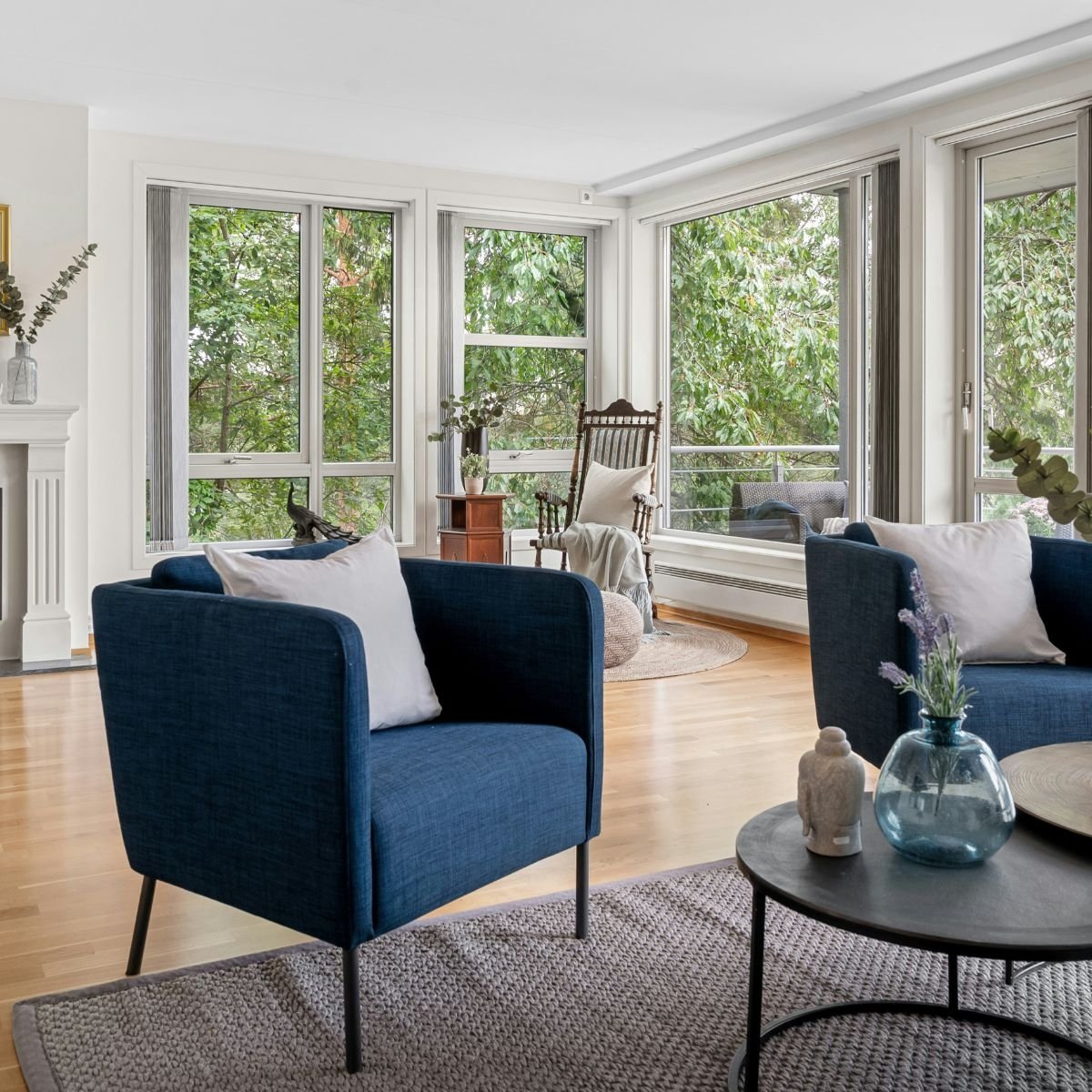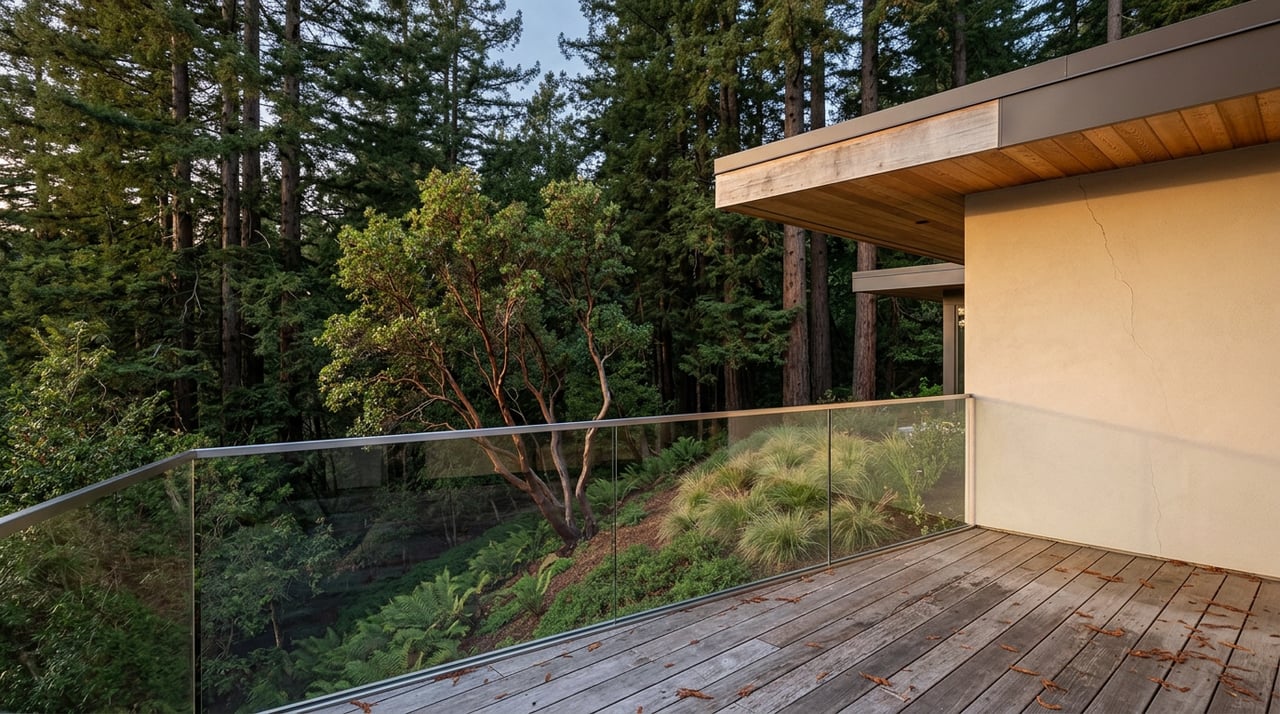
Ask four different sources what the median home price is in Scotts Valley this summer and you will get four different answers, and none of them are wrong. Redfin says the median sale price hit $1.4 million in March 2026, up 17.2 percent from a year earlier. Zillow's home value index says the typical Scotts Valley home is worth $1,272,401, down 6.0 percent over the past year. The Santa Cruz County Association of REALTORS reported a $1.53 million median for single-family homes in July 2026. Movoto's August 2026 figure, which tracks list prices rather than closed sales, puts the median at $1.28 million.
If you are comparing Scotts Valley to Aptos or Soquel by pulling up a portal and writing down whatever number appears first, you are not comparing markets. You are comparing methodologies, and in a town this small, methodology moves the number more than the market does.
Why the Same Town Produces Four Different Medians
Scotts Valley sold 18 homes in March 2026, according to Redfin. That is not a typo. Eighteen closings is the entire dataset behind that month's 17.2 percent appreciation figure. When your sample size is that thin, a single ridge-top estate closing above $2 million or a run of starter condos closing below $1 million will swing the median by a wide margin without any actual shift in what buyers are willing to pay for a comparable home.
Zillow's index tries to correct for this by tracking value changes on the same types of homes over time rather than averaging whatever happened to sell last month, which is part of why its number tells a flatter, even slightly declining story. Movoto's figure is a different animal entirely: it is what sellers are asking, not what buyers are paying, and asking prices in a market with 58 days on market can drift from eventual sale prices by a meaningful margin. The county association's July figure, sitting at $697 per square foot with homes selling at 98 percent of list price and 2.6 months of inventory, is the closest thing to a stable read, but even that snapshot represents a market small enough that a handful of transactions can swing it.
The honest takeaway is that no single "Scotts Valley median" is reliable enough to plan a purchase or a sale around. What matters is where in town a specific home sits, because Scotts Valley isn't one market. It's several.
What's Actually Closing at Each End of Town
The spread inside Scotts Valley is wide enough that the citywide median obscures more than it reveals. On one end, Mount Hermon condos and 1970s tract homes off Scotts Valley Drive have been trading in the $900,000 range. On the other, ridge-top properties in Vine Hill and Glen Canyon, perched above the Highway 17 corridor, are closing north of $2.5 million.
A buyer comparing a $950,000 condo near Mount Hermon Road to a $2.6 million estate on Glen Canyon Road isn't shopping in overlapping tiers of the same market. They're in two different Scotts Valleys that happen to share a zip code, a school district, and a City Council. Asking "what's the median" tells you almost nothing about what either of those specific homes should cost. Asking "what closed on this street or one like it in the last 60 days" tells you a great deal more, and it's the question a serious buyer's agent should already be running before an offer goes in.
The Number No Median Can Show You
While buyers and agents argue over which price index to trust, the more consequential story is unfolding a few blocks away, and it barely shows up in market reports at all.
The city adopted its Town Center Specific Plan in December 2025, covering a 58-acre district bounded by Mt. Hermon Road, Skypark Drive, Blue Bonnet Lane, and Kings Village Road, much of it the former Skypark Airport runway site. The city released a request for proposals from private developers on February 20, 2026, closed that RFP on April 24, and by June 17 the City Council had moved into selecting a development partner. The plan calls for a minimum of 300 housing units, at least a quarter of them affordable, plus two public plazas, a permanent amphitheater, and new commercial streets designed to finally give Scotts Valley the walkable downtown it has lacked for decades.
That's only part of what's changing. Three additional housing projects are already under construction or in permit review along Scotts Valley Drive and Mt. Hermon Road, most approved under AB2011, a state law that removes local discretionary review entirely. According to reporting from the Press Banner, the project at 4575 Scotts Valley Drive, the former Seagate building, is a three-story, 100-unit affordable apartment complex being built by Workbench and CRP Affordable Housing and Community Development, with no City Council hearings, no CEQA review, and no local oversight involved in its approval. It's expected to be finished in spring 2027. A block away at 4444 Scotts Valley Drive, a project known as Beverly Gardens, next to Adorable French Bakery, is adding a 25-unit affordable building slated for fall 2027.
Beyond those, a 196-unit proposal at the former Valley Gardens Golf Course would cut a new road connecting Mount Hermon Road to Lockewood Lane and add roughly five acres of parks, and a separate Oak Creek Park development at Mount Hermon and Glen Canyon roads is planned for four buildings with 52 housing units and about 25,000 square feet of commercial space. Add it up with the Town Center's minimum, and the city is on track to permit up to 800 new homes inside roughly a one-mile corridor over the next several years, in a city with a population near 12,000.
For thirty years, the pitch on Scotts Valley has been simple: good schools, a quick shot over Highway 17, no real downtown to speak of. That third piece is being rewritten in real time, and it's happening faster than any median price statistic can reflect.
What This Means Before You Write an Offer
If you're comparing Scotts Valley against other Highway 17 corridor towns, the median price you found on a portal is the least useful data point available to you. What actually matters:
- How close is the home, on foot, to the Blue Bonnet Lane or Kings Village Road edge of the Town Center footprint. Proximity to that corridor is likely to matter more to future value than it does today.
- Is the street a public city street or a private road under a shared maintenance agreement. That distinction affects who pays for repaving down the line.
- What does the seller's disclosure say about nearby proposed development, if anything at all.
- If the home sits on Scotts Valley Drive or Mt. Hermon Road, what does the city's Complete Streets project plan to do to the frontage.
- For homes near projects still moving through entitlement, like the Valley Gardens Golf Course site, what is the realistic construction timeline, and how might it affect daily life during a multi-year build-out.
None of these questions show up in a median price. All of them show up in a well-run comparative market analysis and a careful read of the preliminary title report, which is exactly the kind of groundwork a local agent should be doing before you write an offer, not after you're already in escrow.
A Few Quick Questions
Is Scotts Valley's market actually appreciating or declining right now? The honest answer is that the citywide aggregate is too thin and too mixed to say either with confidence. What you can say with confidence is that a specific home, compared against genuinely similar recent closings in its own submarket, will tell you something real. A citywide average of a few dozen transactions across a range from about $900,000 to above $2.5 million will not.
Will the Town Center project actually get built? The plan has moved through real, dated milestones, from adoption in December 2025 through RFP closure in April 2026 and partner selection discussions in June 2026, but the final design depends on which developer is chosen and how their proposal compares to the city's preferred vision. It is close enough to reality to factor into a long-term ownership decision, but not so finished that details won't shift.
Does new housing near a property change its value? It can move both directions. Proximity to future retail, plazas, and transit can raise long-term desirability, while construction timelines and traffic changes during build-out are real short-term costs worth asking about directly before you buy.
If you're comparing Scotts Valley to other Santa Cruz County towns and the numbers you're finding online don't seem to agree with each other, that's not a research failure on your part. It's the market. Reach out to Genie Lawless for a submarket-specific read on what's actually happening on the street you're considering, and get your home valuation before you lean on a citywide number that may not apply to your address at all.
This article is general information, not legal, tax or financial advice. Consult a qualified professional about your situation.